
Former Qantas engineer Colin McGregor first turned to algae as a way to produce sustainable aviation fuel. But now he has found a better use: feeding our pets and making them live longer after merging with a $38m pet food company.
McGregor founded Genesis, a commercial-scale algae producer nine years ago, and unearthed a wonder food that he says can help restore pasture, reduce livestock methane emissions and now help stave off arthritis in dogs and cats.
That food is chlorella, an Australian freshwater algae. Up to 60% of chlorella’s dry weight is pure, balanced protein with all essential amino acids.
It is set to hit the shelves at Coles via Genesis’s merger with Proudi, a premium pet food brand worth $38m. It has since secured a national distribution agreement with the supermarket chain and is also set to expand into the US where it is negotiating with distributors, including Amazon.
“This little company in Australia can make a really big global impact,” McGregor said. “That’s what we’re trying to do, really just unleash that amazing potential of algae and our growth system to do all this.”
Paddocks become carbon sinks
McGregor said its algae-based fertiliser had slashed the use of chemical-derived options for farmers by up to 90% and turned their paddocks into carbon sinks using photosynthesis, while cutting methane emissions up to 25%.
It’s a long way from investigating how algae can fuel Qantas planes. But McGregor said the leap was not that big.
“If you look at it, it really is the same thread working its way all the way along,” he said.
“At Qantas, when I was working on sustainable aviation fuel, it gave me the knowledge and understanding of algae growth and how to build a system to grow it. That’s what enabled us at Genesis to build the technology platform to produce microalgae, specifically chlorella, at high quality and at scale.
“And that same chlorella turns out to be amazing across human health, pet health, and agriculture and climate change solutions. So it’s that thread algae, and the technology platform that’s let us make the leap from aviation fuel to applications for people, pets, plants and animals.”
But producing algae at scale has been challenging as well as energy intensive, given growers need to stimulate water flow, which can easily strip away its climate change-busting claims and erode its economics.
McGregor said Genesis took a different approach to ensure that its algae farming was sustainable and profitable.
“A lot of algae companies are run by scientists, and so they should. We’ve set up this algae company with scientists but also with engineers, so our growth system is engineered in a way that uses very low energy and uses natural water flow.
“If you look at most traditional systems, they use big machines and like paddle wheels to push water around, which is very energy intensive and limits them to like circle kind of shapes. Where our technology uses nature to put the pressure to like simulate a river, so we can move millions and millions and millions of tons of water around with basically hardly any energy demand.”
Lessons from Qantas
This is where Qantas helped lay Genesis’s commercial foundation.
“Qantas taught me many things. The first, and probably most striking, is engineering discipline and quality.
“Secondly, economics. We learned with aviation fuel that if it isn’t viable and affordable, you don’t have a business. So that’s been a real focus of our platform: developing the highest quality chlorella, but at an affordable price and in a format that works for our customers.
McGregor said sales of Proudi’s Yumguard brand have surged 300% year-on-year as demand soars for premium pet food across Australia and Asia.
Rival pet food companies have experienced similar explosive growth. Lyka raised $67m in March as founder Anna Podolsky, a former Bain and Company consultant, seeks to lengthen the life spans of dogs into the high-teens and beyond.
McGregor acknowledges that pet owners are risk of “overdoing” the humanisation of pets. But he said the underlying trend was ensuring pets are healthier.
“You spend more money on them to try and keep them longer. And this is just part of our strategy … which is a win-win.
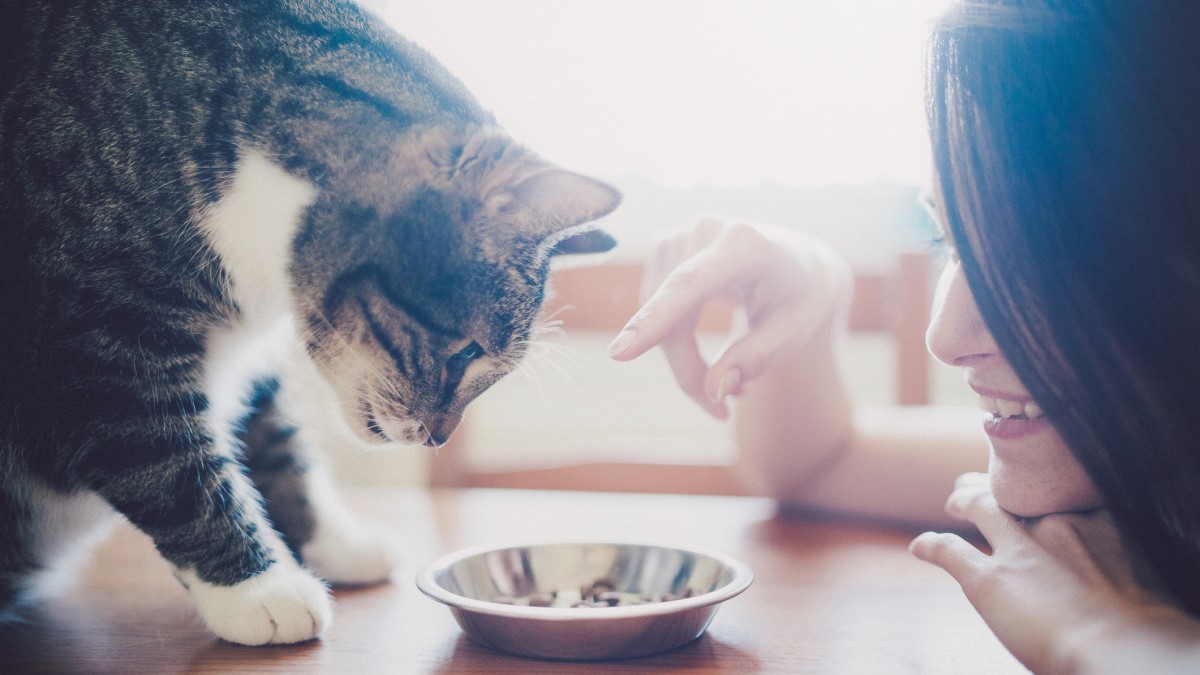
“And when you do include the chlorella (in pet food) the difference is very noticeable very quickly. Shiny coat, more energy, reduced arthritis and soreness and things like that. So it’s really a good thing to actually naturally and very quickly see the benefits of you know changing their diet.”
This article first appeared in The Australian as Former Qantas engineer pivots algae from jet fuel to Coles pet food aisle.