
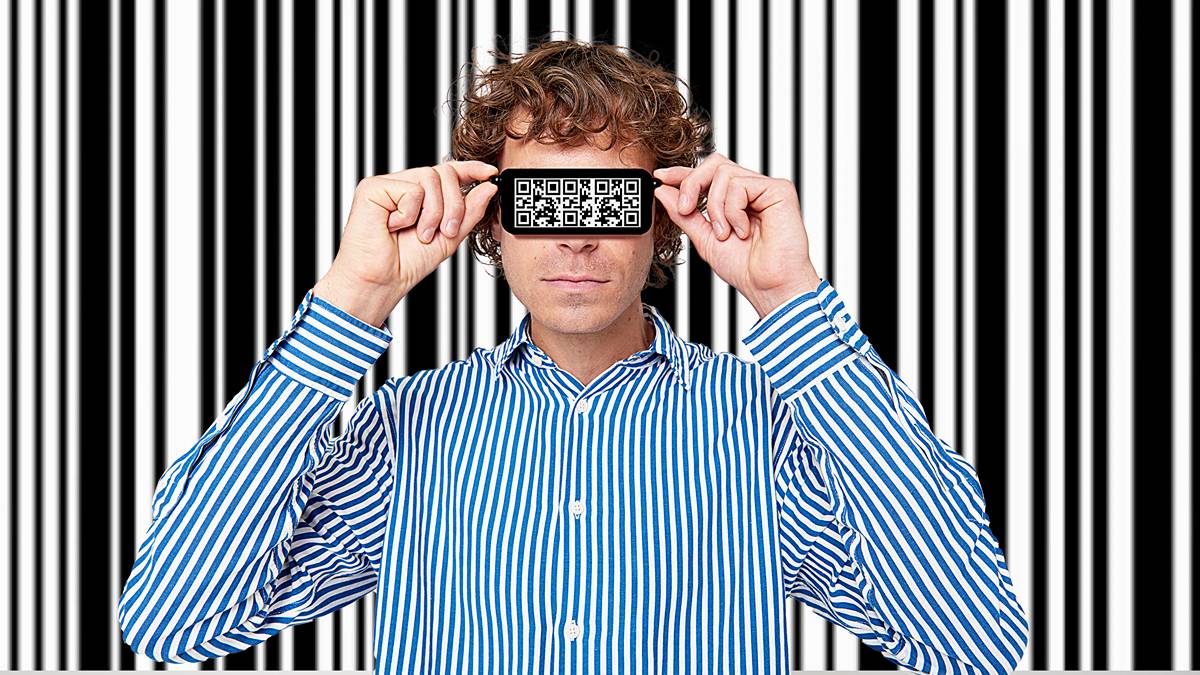

- Sunrise 2027 is driving the global shift from traditional barcodes to smarter 2D codes
- Shoppers can access richer product information with a simple scan
- Codeifai has launched two products targeting the transition
Much like the rest of the world, the retail industry is in the midst of a digital renaissance.
For the first time in half a century, the barcode is getting a 2D makeover, replaced by a much more powerful tool – the QR code.
Our traditional vertical barcodes – capable of carrying only basic numerical information – will increasingly be replaced by 2D codes that open up a veritable smorgasbord of product identifiers, ingredient information, manufacturing details and supply chain data, all available within seconds with a simple scan of a phone camera.
Dubbed Sunrise 2027, the global retail and compliance market’s overhaul is well underway, with ambitious plans to roll out these new standards in rapid fashion.
“Sunrise 2027 is a global push, led by the barcode standards body GS1, to get every checkout in the world reading a QR code by the end of 2027,” Codeifai (ASX:CDE) executive director Martin Ross said.
“One scan of the QR code and a shopper can see ingredients, where the product came from, and whether it is genuine or a fake.
“GS1’s own research found 77% of consumers say product information matters when they buy, and close to 80% are more likely to buy something if scanning the QR code gives them what they want to know.”
A wealth of information at your fingertips
The barcode is the last thing your average shopper pays any attention to, but Sunrise 2027 promises to transform the humble product code into a direct data conduit from brand to consumer.
“The barcode has not changed in fifty years,” Ross pointed out. “Turning it into a live, updatable QR code changes what packaging can do.
“Every product becomes a way for a brand to talk to the person holding it, and every scan is data the brand owns. That is exactly the space Codeifai is built for.”
While traditional barcodes can store up to 85 characters, a QR code is capable of encoding up to 4296, with the added ability to direct users to far richer online information that can be updated without changing the code itself.
That kind of information density transforms the humble code from a simple identifying string of numbers into just about anything it needs to be, including live and updatable web page links.
Use-by dates, detailed allergen warnings, nutritional values, country of origin and certificates of authenticity can all be encoded directly onto the packaging itself, accessible by anyone at any time.
QR codes also hold up much better to wear and tear, remaining scannable even when up to 30% of the code is physically damaged. In contrast, barcodes tend to fail at the smallest scratch or misprint.
Apart from the more obvious advantages, brands will also be able to communicate more directly with their customers with the new Sunrise 2027 system.
QR codes could offer recipe ideas, care instructions, or targeted promotions related to products consumers are already thinking about purchasing.
“I think scanning a QR code on your groceries will become as normal as tapping your card to pay,” Ross said.
Keeping up with the digital revolution
Codeifai is a self-service software firm specialising in data infrastructure and security, operating at an enterprise level across secure communications, specialised QR generation and authentication and supply chain management.
“Sunrise 2027 is creating a compliance market that barely existed two years ago. Every brand and retailer globally needs to get onto the new standard, and Codeifai already has two self-service products built for exactly that gap,” Ross said.
The company has recently released two software-as-a-service products – ConnectQR and ProtectCode – aimed at brands and retailers making the transition to 2D codes.
ConnectQR is a QR code generator, offering custom, brand-aligned, and certified QR codes in full compliance with GS1’s Sunrise 2027 standards.
ProtectCode is the next level up for retail enterprises, assigning each individual product unit its own unique registered digital identity. The idea is to turn physical packaging into a direct-to-consumer data channel.
“This is really about tracking. When every single unit carries its own batch and expiry data in a scannable QR code, a business can trace a product from the factory to the shelf,” Ross explained.
The higher levels of traceability from the new QR codes offer very practical advantages – faster, more precise recalls, better inventory management, and a much higher bar for counterfeiters to overcome.
“Woolworths is the case study everyone points to. Woolworths cut food waste by up to 40% and lifted productivity by up to 21% on the products it moved onto the new QR code,” Ross said.
“Markdown jobs that used to take staff several hours a day are now done in under an hour, across more than a thousand stores.”
If Sunrise 2027 lands as planned, the barcode’s long-overdue evolution could reshape the shopping experience from shelf to checkout, making packaging smarter, supply chains more efficient and product information far more accessible for consumers and retailers alike.
At Stockhead, we tell it like it is. While Codeifai is a Stockhead advertiser, it did not sponsor this article.
This article does not constitute financial product advice. You should consider obtaining independent advice before making any financial decisions.